
Managing W-2 Forms in 2026: Compliance, Corrections & Security Tips
Updated for the 2026 W-2 Filing Season (Tax Year 2025)
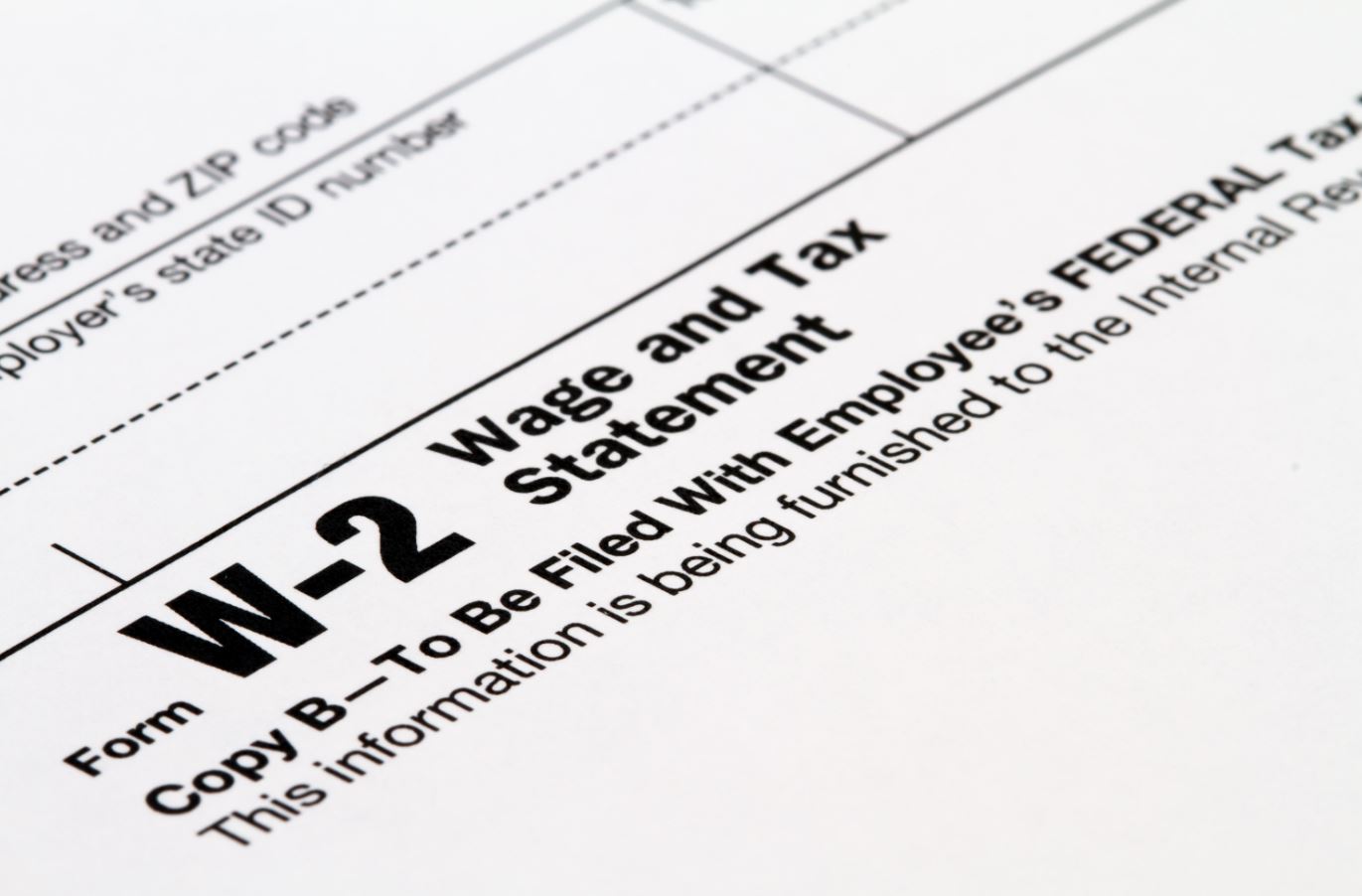
Employers are required to file each employee’s IRS Form W-2, Wage and Tax Statement, with the Social Security Administration (SSA) and provide a copy to each employee every year. Accurate and timely W-2 reporting is critical, as errors or delays can create compliance issues for employers and filing challenges for employees.
This guide outlines key W-2 requirements for the 2026 filing season (Tax Year 2025), including deadlines, how to handle missing or incorrect forms, and best practices for protecting sensitive employee data.
Key W-2 Deadlines for the 2026 Filing Season (Tax Year 2025)
- February 2, 2026: Employers must furnish Form W-2 to employees.
- February 2, 2026: Employers must file Forms W-2 with the SSA, whether filing electronically or by mail.
Employers filing paper W-2s must also submit Form W-3, Transmittal of Wage and Tax Statements, which summarizes the total information reported. Employers that file electronically through the SSA’s Business Services Online (BSO) system do not need to separately submit Form W-3, as the system generates it automatically.
What to Do If a W-2 Is Missing
Employees who have not received their W-2 by February 2, 2026, should first contact their employer. In most cases, the employer or payroll provider can quickly provide a copy of the original W-2.
If the W-2 is still missing by mid- to late February, employees may contact the IRS. The IRS will reach out to the employer to request the missing form. If the W-2 is not received in time to file a tax return, employees can use Form 4852, Substitute for Form W-2, to estimate wages and taxes withheld.
If a W-2 is later received and the information differs from the estimates used, employees must file Form 1040-X, Amended U.S. Individual Income Tax Return, to correct their filing.
Correcting Errors on a W-2
Ensuring accuracy on W-2 forms is essential, as errors can impact employees’ tax filings as well as their Social Security and Medicare benefit records. Common mistakes include incorrect wages, tax withholding amounts, or employee information.
When an error is identified, employers must file Form W-2c, Corrected Wage and Tax Statement, with the SSA. If corrections are submitted by mail, Form W-3c, Transmittal of Corrected Wage and Tax Statements, must also be included. Employers filing corrections electronically can submit them through the SSA’s BSO system.
Failing to correct W-2 errors can result in IRS penalties that increase the longer the issue remains unresolved. Employers that receive notices related to incorrect W-2s should work promptly with their payroll provider or human resources team to resolve the issue.
If an employer does not provide a corrected W-2 when required, an employee may ask the IRS to initiate a W-2 complaint. In these cases, the IRS may:
-
Send a letter to the employer requesting a corrected W-2 within 10 days
-
Provide the employee instructions for using Form 4852
-
Issue a wage transcript if federal wage information is available
Electronic Delivery and Employee Consent
Many employers offer electronic delivery of W-2 forms, which can improve efficiency and reduce administrative costs. However, employees must affirmatively consent to receive their W-2 electronically, and employers must retain documentation of that consent.
Employees also have the right to withdraw consent and request a paper copy. Employers should ensure their electronic delivery processes comply with IRS requirements and are supported by secure systems.
Protecting W-2 Data and Preventing Identity Theft
Form W-2 contains highly sensitive personal information, including Social Security numbers, making it a prime target for identity theft. Employers should distribute W-2s using secure portals or the U.S. Postal Service and implement safeguards to prevent unauthorized access.
Employees should be reminded to:
-
Avoid responding to suspicious emails or requests for personal information
-
Report suspected identity theft to the IRS
-
Visit IdentityTheft.gov for guidance and recovery steps if their information is compromised
Strong security practices protect both employers and employees and reduce the risk of costly fraud.
Stay Compliant This W-2 Season
W-2 reporting is a critical annual responsibility for employers, and staying informed about deadlines, corrections, and security best practices helps avoid penalties and employee frustration.
Interested in learning more about payroll and tax services? Contact us today.

.png)

.png)

Reply a Comment